On this day of 2nd October 1766, some 260 years ago, the Great Cheese Riot (Nottingham cheese riot) did but occur in Nottinghamshire.
The reason for the mayhem is entirely unrelated to modern life, occurring due to food shortages and rising foodstuff costs. Imagine that!? Thank goodness capitalism banished some problems to yesteryear once and for all, leaving us to bask in the history of 1766 people engaging in dairy-based fisticuffs.
The Great Cheese Riot of 1766
Did you know our esteemed editor, Mr. Wapojif, went to Nottingham for university? Yes he did, between 2003 and 2006. Sadly, then, a little too late to engage in the brutish anarchy of the 1766 chaos.
Back in the 18th century, King George III was ruling the land as part of the House of Hanover. The country experienced a bad harvest that year, triggering public panic about a potential food crisis, and in Nottingham matters reached their peak at that years annual Goose Fair.
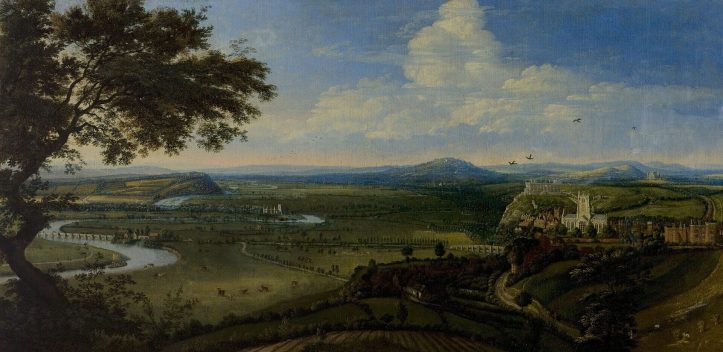
Before we get into that, below is a depiction of Nottingham by Jan Siberechts of the city from 1655. Lovely, isn’t it? The city would have been much more developed by 1766, of course.
Goose Fair runs annually to this day in the city and has been a thing since the 11th century. Initially a feast, it soon became a market where traders swapped geese and other livestock.
In 1766, the poor harvest had led to an abundance of overpriced cheese for sale. Apparently, some of the dairy on offer reached prices (in modern money) of up to £180 (about $200). The price was double the norm recorded in other cities a week earlier, so locals were super keen to keep local foodstuffs as local as possible.
With tensions high, and this being England, there was only one solution left available. Thankfully, some trusty journalists working at the local newspaper Leicester and Nottingham Journal were on hand to document it all for posterity.
The Cheese Riot Begins
Apparently, the chaos kicked off when merchants bought a huge wodge of cheese with the plan to sell it in Lincolnshire. Some local Nottingham thugs weren’t best pleased about this and rounded on the merchants, demanding the cheese be shared in Nottingham. What was initially a dispute soon led to fisticuffs as an angry mob went full outrage:
- Rioters began looting cheese at the fair and across Nottingham stores
- Shops were vandalised, cheese wheels stolen, and the dairy rolled off down the streets
- Nottingham Mayor Robie Swann attempted to stop the madness, but was knocked over by a cheese wheel
- Locals armed themselves and set up roadblocks to stop merchants from other counties
- A cargo boat on Trent Bridge river was raided and all cheese removed
- A warehouse was raided, but the defenders managed to drive the crowd off with guns
On that final point, some cheese was still looted from the warehouse. The building owners promptly gathered a posse (posse comitatus) to track the dairy and get it back to its rightful owner.
This escalated matters considerably, as the posse went to the civil parish of Castle Donington to demand support from the local magistrate for search warrants on local homes. However, this person refused to sign any search warrants and the posse responded by beating up random locals at the gates of Castle Donington.
A counter-posse formed consisting of mothers and their children. They attacked the first posse and drove them into submission by pelting stones at them.
The chaos was only somewhat controlled when Nottingham authorities called for support from the army.
British Army’s 1st Regiment of Light Dragoons and Nottinghamshire Militia were deployed and immediately opened fire on rioters, with one reported death (a man named William Eggleston). According to reports, he was standing near a pile of cheese (but of course) when he was shot.
As William Eggleston was a farmer, it’s believed he was protecting his own dairy and wasn’t a rioter at all.
The British Army Regiment and Nottinghamshire Militia detained various rioters immediately and brought them to the local magistrates. However, this backfired as rioters smashed the windows of the building and stormed the property. This meant the civil unrest went on into the night and, based on contemporary reports, lasted for several more days.
There are even reports of wagons packed with cheese being formed into convoys with an armed escort to attempt ease of passage.
Everything seemed to subside naturally in time, but it’s worth noting there were many riots across England in the final months of 1766. For the same reasons as in Nottingham—concerns over food shortages and high prices, with major incidents in Cornwall and Devon.
However, those outbreaks weren’t about cheese. This one was.
The Cheese Riot Legacy
This very true story is exactly why time machines should be invented. As it’d be great to go back and record all this madness in action. If it happened now there’d be rolling news footage 24/7 with well-timed advert breaks by cheese suppliers such as Babybel.
There have been many great British riots since 1766, of course, and Mr. Wapojif even got caught up in one.
That was the 2008 UEFA Cup final riots on 14th May. He was working that day in a pub and got to experience the drunken maniacs swarming over Piccadilly Gardens from the comfort of the shuttered up Wetherspoons.
So, we should image the Nottingham cheese riot looked exactly as above (just with more dairy everywhere) and fewer Scottish accents. Lovely stuff! We’re off to have some cheese on toast.
