
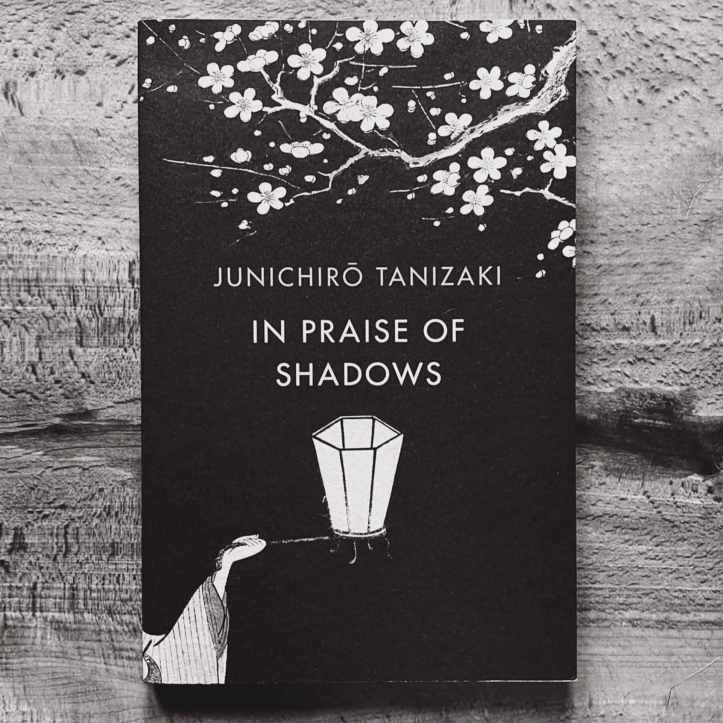
This is a special edition of one of our favourite essays, the work of Jun’ichirō Tanizaki (1886-1965). In Praise of Shadows is an essay on embracing natural light and how this can enhance mood and mental health.
We first read it in 2017 and the work has had a considerable impact on our world view. This new special edition has enhanced artwork across the text. It’s still a marvel and features a beautiful foldout front cover by Vintage creative director Suzanne Dean.
The Collector’s Edition of In Praise of Shadows
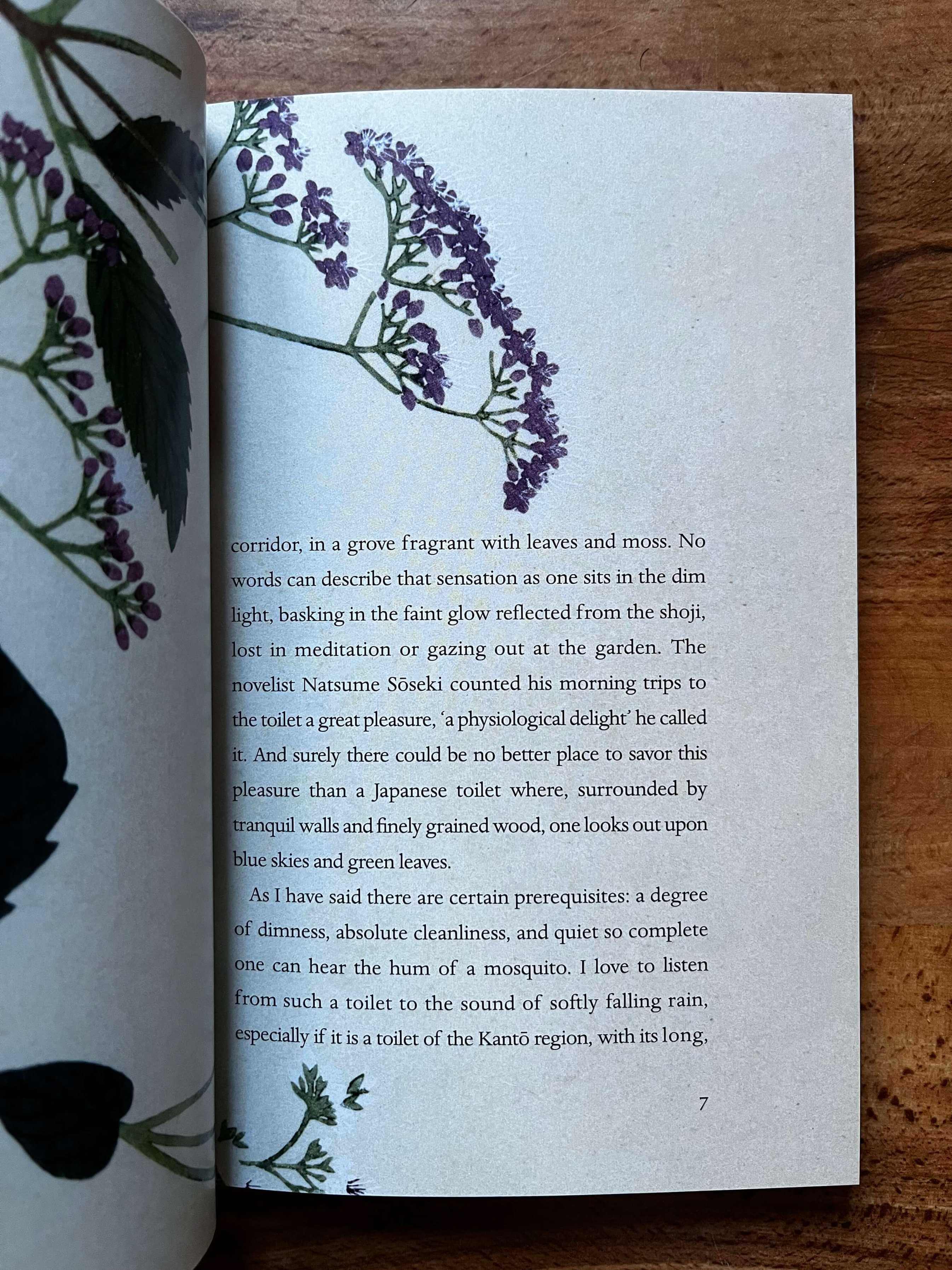
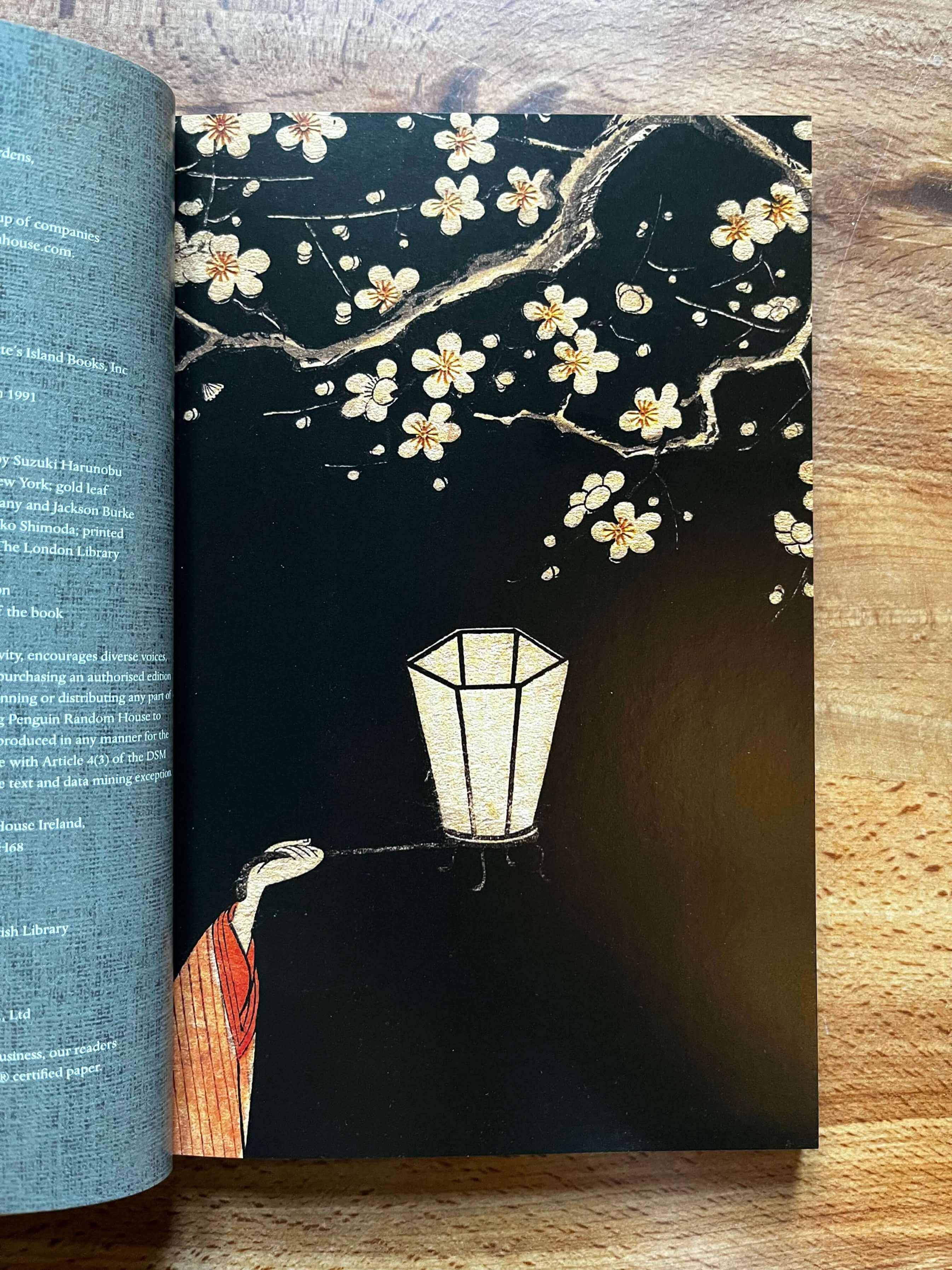
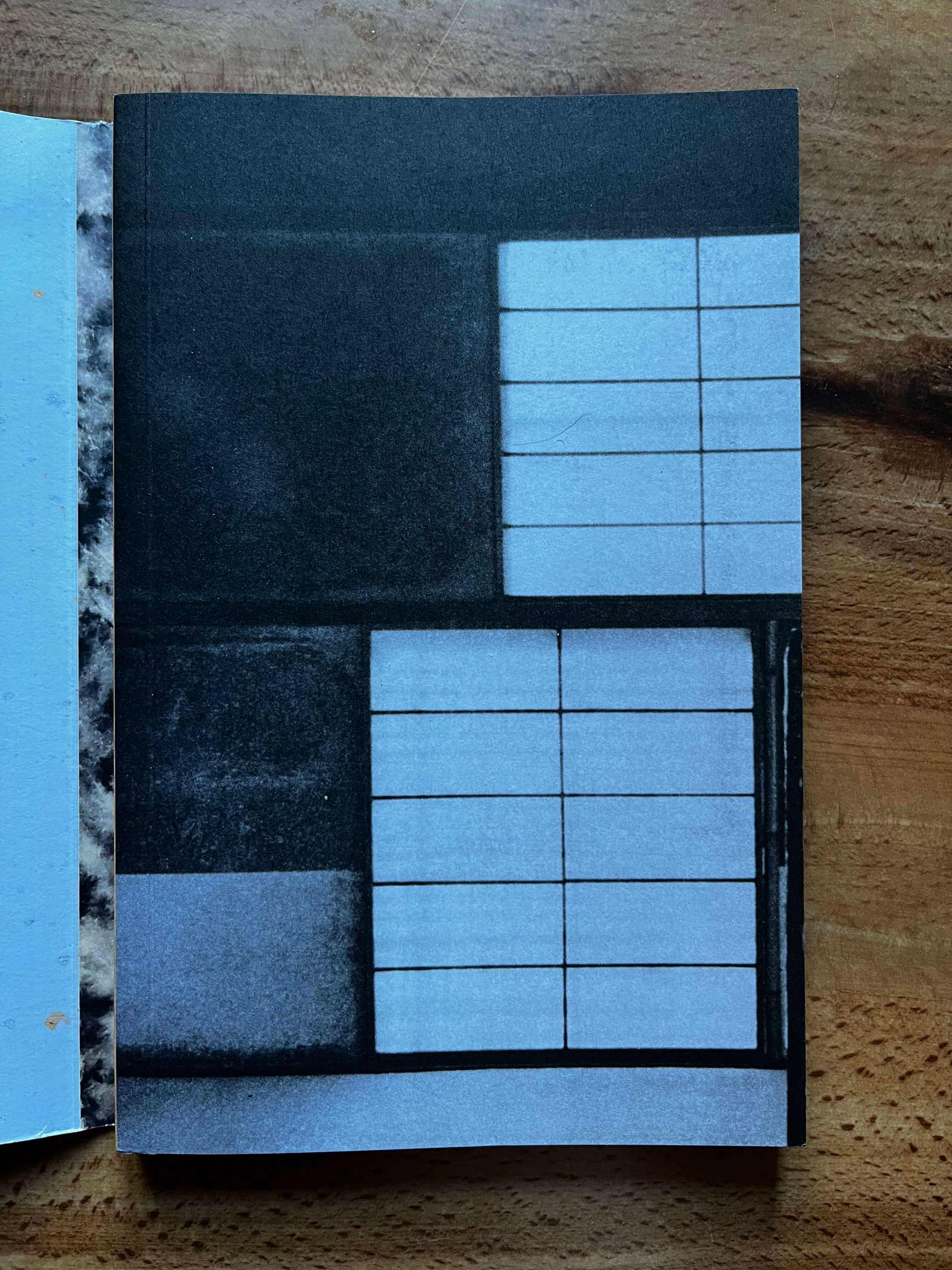
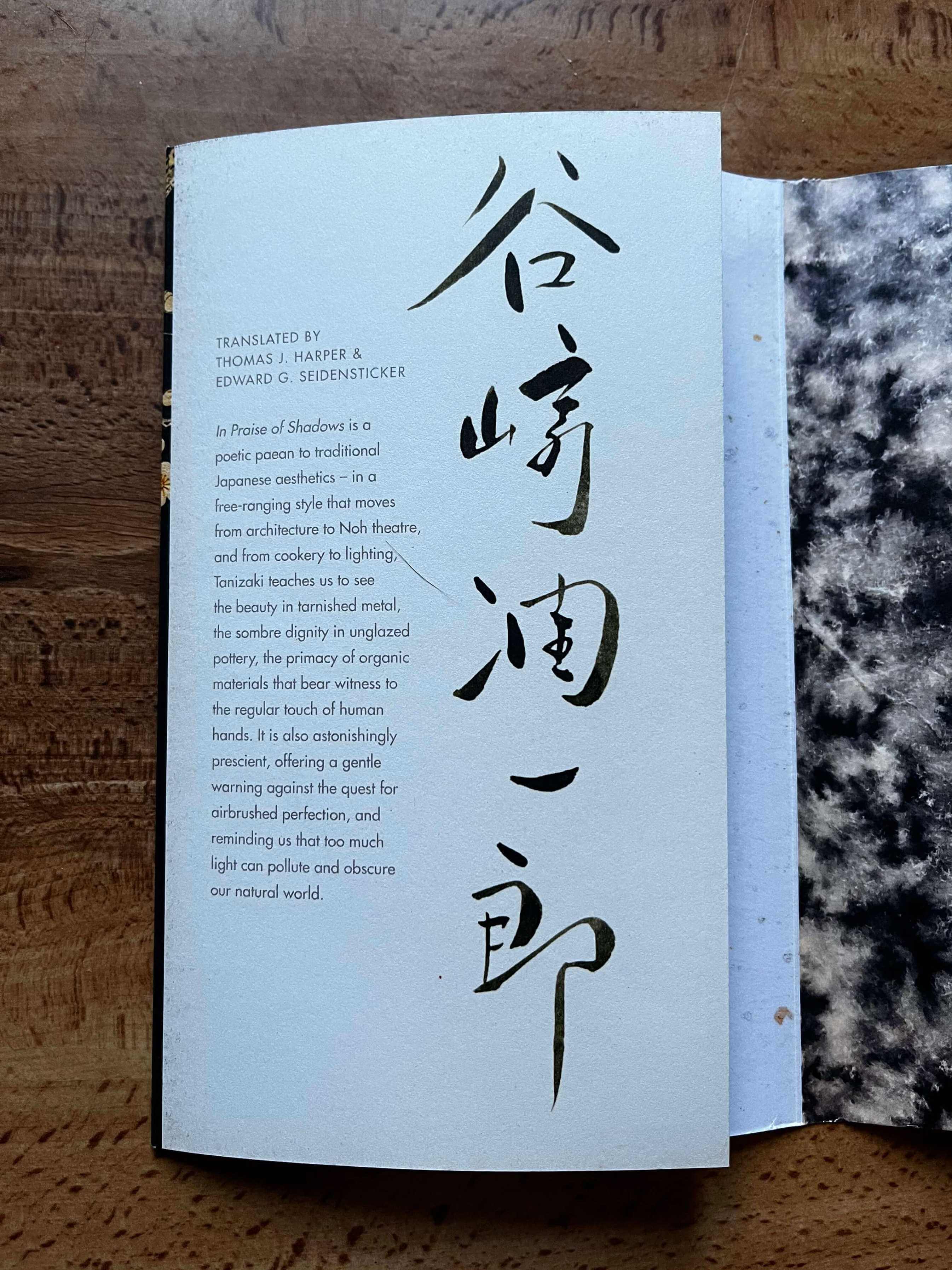

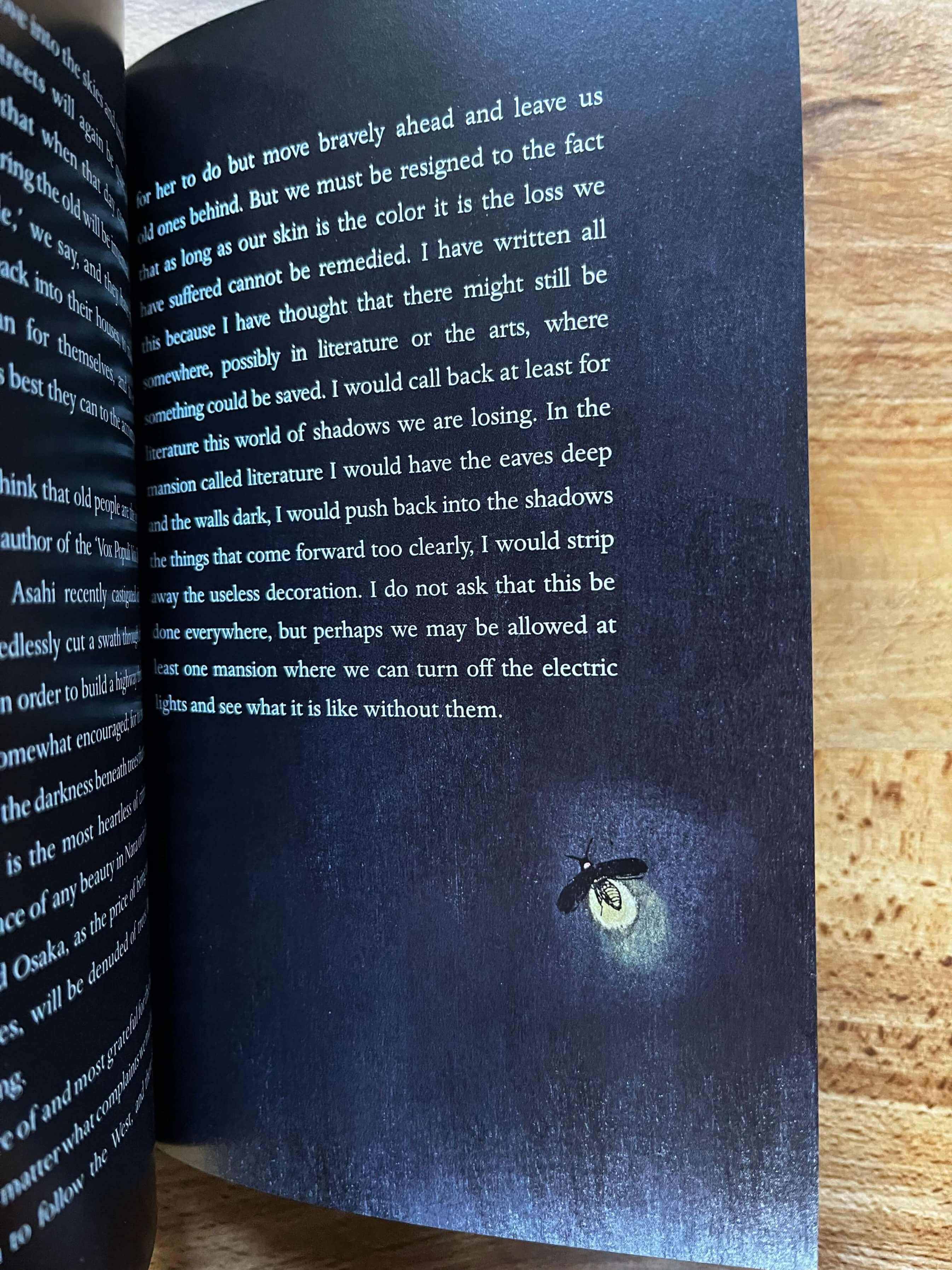
Back in 2018 we covered the essay over on our other, much more serious blog (see In Praise of Shadows on Moonshake Books). Thus, and lo, we’re not here to recover shadowy ground. More celebrate this artistic take on the classic essay, with a nudge of a reminder to you (i.e. remember to focus on your mental health this year, eh?).
Tanizaki was miffed in the 1920s and early 1930s about the arrival of advanced living. Electric lights being a primary concern. As convenient as lightbulbs are, unless surrounded by a shade of some sort they can be a bit abrupt. Glaring, even.
The essay is a call for controlling your environment. To be minimalistic and not too much of a consumerist maniac. In all those loud, shiny new things can you really find peace of mind? Tanizaki argues for the Japanese way of things.
“We do love things that bear the marks of grime, soot, and weather, and we love the colours and the sheen that call to mind the past that made them. Living in these old houses among these old objects is in some mysterious way a source of peace and repose.”
It was a convincing argument for us in 2017 and remains so now. Not least as In Praise of Shadows includes one of our all time favourite literary lines (we’re putting extra large to emphasise the point).
“If light is scarce then light is scarce; we will immerse ourselves in the darkness and there discover its own particular beauty.”
The essay discusses foods and how these have therapeutic effects. Miso soup is his obsession, especially in a lacquer bowl.
Japanese food is very artistic and precise in its appearance, it seems custom designed to create a sense of calm.
Tanizaki’s point in all of this is mental wellbeing. About finding the time in our busy modern lives to find some inner ambience. And we can all do this by dimming the lights, embracing candlelight, and enjoying some miso soup.
Night-time is a biological shift that brings psychological relief and a sensory reset. After a busy day, we start to rest and shut down. Our cortisol (the stress hormone) drops and there’s a melatonin surge that has anti-anxiety properties.
If you’re then spending your evenings with TikTok in your face, or blaring great big lightbulbs buzzing away, you disrupt the process.
Tanizaki doesn’t discuss that side of the debate, more the philosophical demands and sense of historic traditionalism. He would have hated what’s happened to the world since his passing in 1965.
TVs in every home, video games, smartphones, devices galore, kids with their faces buried in all of it. Whilst times change and many elements of the past fall out of favour, there is the need for some self-control.
In Praise of Shadows provides that, harking back to an era before globalisation was full-blown chaos. And this edition captures that perfectly, with Suzanne Dean’s carefully chosen imagery (especially that front cover) a beautiful accompaniment to the words of wisdom.
