
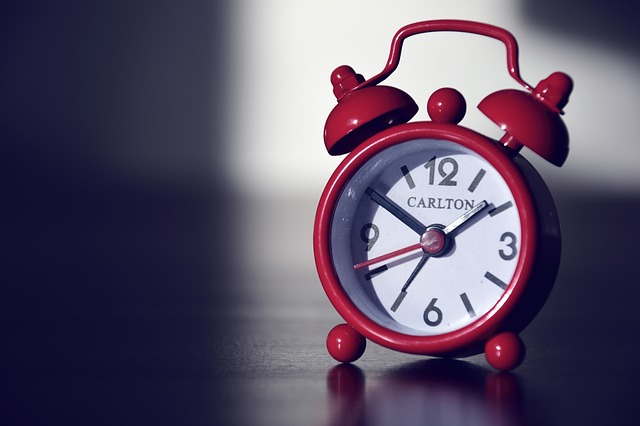
How to tell the time. Or, rather, How To Tell The Thyme. Without thyme we’d all be confused about what thyme of day it is – literally. Think about it. Think again. Now you’ve got a disconcerting hypothetical consideration of this, imagine waking up at 5am instead of 6am and going into work. That would be a flagrant waste of thyme!
Worse, then, imagine arriving at work and Bill the Janitor is still there mopping the vomit off the aisles (imagine also you work in a supermarket for the purposes of this blog post about thyme). He’d laugh at you, “What yerr feckin’ doin’ ear at diss thyme?! LOL!” he’d chortle. You’d say “Damn and blast it!”, you would.
Thusly, at a young age, one is taught how to tell the thyme by grownups. Grownups are big people with stupid big noses who argue about traffic on the roads, the NHS, foreigners (if they’re racist, that is), and poor service in restaurants. Despite these foibles they do have one redeeming feature: they know the thyme.
Clocks have 12 numbers on them, although there are 24 if you’re an army person. This is because it’s then easier to round up the amount of people you’ve murdered in cold blood by using big numbers (this is why children never wear 24 hour clocks, as children don’t tend to be mass murders).
The big hand (something of a misnomer – it’s more of a big pointy stick) is the one which indicates the minutes, and the little hand (little stick) pinpoints the hour. There’s then a total maverick SOB called the “ticker”, or something, which is all about seconds.
Not that seconds are important, though, cos seconds don’t really last that long. You don’t reflect on a job well done (such as if you baked a really good cake) and think, “Gee, the 256th second were the best moment during that endeavour!” No way, sir! So, in reality, seconds are pointless. Thyme isn’t pointless, though, as you need it to know what to do. Remember that the next thyme you go to tell the thyme.
